
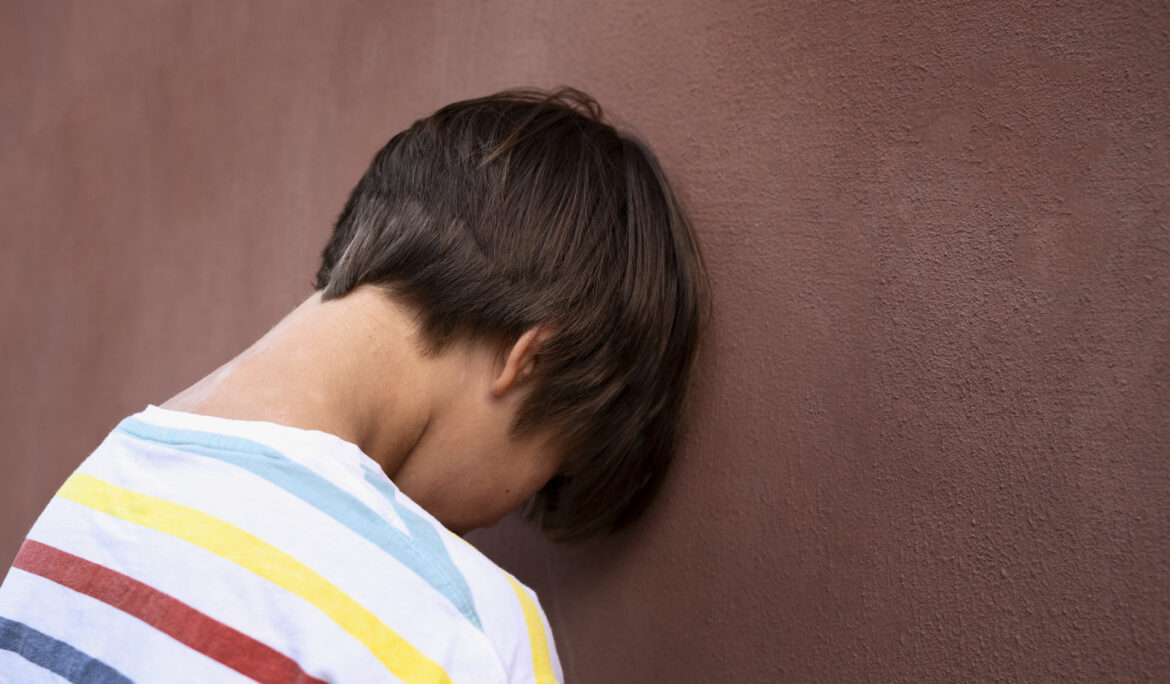
Head banging in children can be alarming for any parent, especially when it happens often during anger or frustration. While it looks concerning, head banging is actually a common phase among toddlers aged 1 to 3 years. In most cases, it is harmless and temporary.
However, when it becomes frequent or continues beyond this age, it may point to deeper emotional or developmental causes.
This blog explains why children head bang, what emotions lie behind it, and the best parenting strategies to manage it.
What Is Head Banging?
Head banging is a repetitive behaviour where a child intentionally hits their head against a wall, floor, cot, or any hard surface.
Children usually head bang when they feel:
- Angry or frustrated
- Tired
- Seeking attention
- Overwhelmed and needing comfort
For many toddlers, the rhythmic motion also works as a self-soothing behavior, similar to rocking.
Causes of Head Banging in Children
1. Anger and Frustration
Children below 3 years struggle to express their emotions verbally. When they cannot communicate their needs, they release frustration through crying, screaming, or head banging.
2. Low Language Skills
Children with speech delay may head bang because of communication difficulties. When they feel misunderstood, they express their emotions physically.
3. Attention Seeking
Some children learn that head banging brings immediate attention from parents. Over time, this becomes a repeated pattern for gaining attention.
4. Developmental Disorders
Head banging can sometimes be associated with:
- Autism spectrum disorder
- ADHD
- Sensory processing difficulties
- Cognitive delays
These children may use head banging as a way to regulate emotions or sensory overload.
Emotions Behind Head Banging
Head banging is often a child’s nonverbal way of communicating:
- “I’m angry.”
- “I’m uncomfortable.”
- “I need help.”
- “I want comfort.”
The rhythmic motion may help them calm down when overwhelmed. Understanding this emotional aspect helps parents respond with empathy and support, rather than frustration.
Effective Parenting Tips to Reduce Head Banging
1. Provide Safe Alternatives to Release Anger
Give children safe options to express frustration:
- Soft pillow to punch
- Boxing pouch
- Squeezing a stress ball
This teaches them healthier ways to cope.
2. Use Role-Play to Teach Emotional Expression
Children learn through imitation. Using role-play, finger puppets, or hand puppets helps them practise expressing feelings like:
- “I’m sad.”
- “I’m angry.”
- “I need help.”
3. Avoid Overreacting
If head banging happens in a safe, padded environment, avoid giving extra attention to the behavior. Reacting strongly may unintentionally reinforce it.
4. Create a Calm and Predictable Routine
Consistent routines reduce frustration and emotional outbursts. Toddlers feel secure when they know what comes next.
5. Seek Professional Help When Needed
If head banging becomes frequent, aggressive, or continues after age 3, consult a behavioural therapist.
Behaviour therapists use:
- Positive reinforcement
- Negative reinforcement
- Structured behaviour strategies
Parents can continue these techniques at home for consistent improvement.
Key Takeaway
Head banging can be unsettling, but for most children, it is just a temporary phase.
With patience, understanding, and consistent parenting, children gradually learn to express their emotions in healthier ways. A calm environment, simple routines, and gentle guidance can help your child outgrow this behaviour with time.